About /
⠀
Call for papers
We Want to Learn About Your Integrity Projects and Research!
We invite you to be part of this Conference by sharing your knowledge, experiences, research, and results with colleagues from different institutions. Your contributions can help strengthen academic integrity across our institutions and foster meaningful dialogue and collaboration within the community.
Keynote Speakers
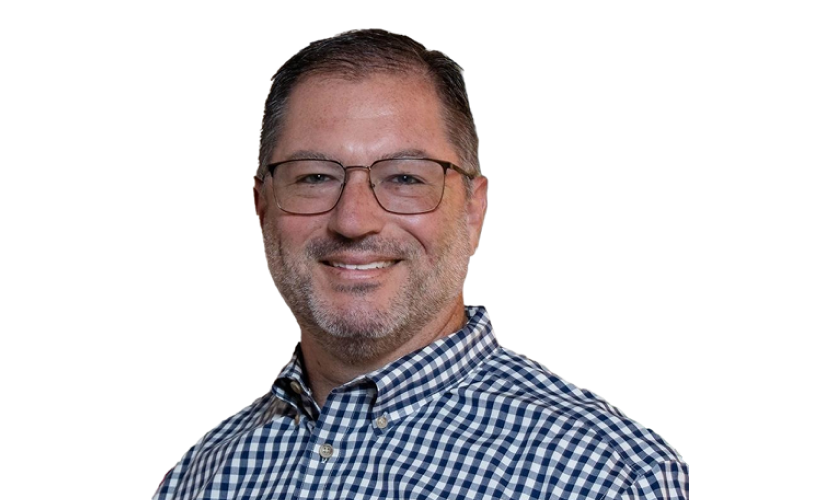
Dr. David Rettinger
He will deliver the workshop: “Course Design and Assessment for Integrity in the Age of AI”, as well as the keynote lecture: “The Opposite of Cheating: Building the Future in the Age of AI”.
David Rettinger, Ph.D. in Psychology, is a professor, administrator, and researcher with more than twenty years of experience in higher education. He is currently an applied professor and director of the undergraduate program at the University of Tulsa. He has written, conducted research, and delivered lectures on academic integrity. He has served as president of the ICAI.
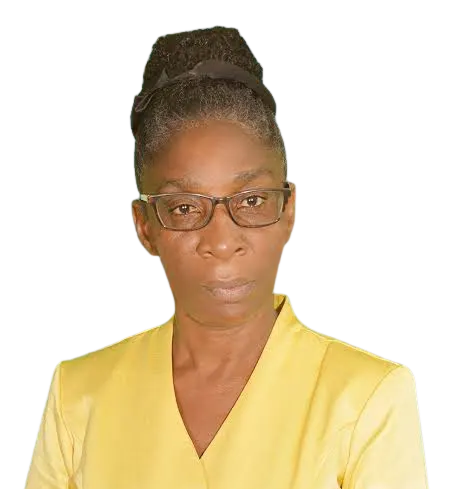
Ruth Baker-Gardner
She is a professor at the University of the West Indies, Mona Campus in Jamaica and a leading figure in academic integrity in the Caribbean. She has received multiple awards, including ICAI Exemplar of Academic Integrity Award and ENAI Researcher of the Year Award, in 2025, among others.
Ruth leads research initiatives, and is the author of works on plagiarism and AI, with regional and international impact.

Veronika Krásničan
Will deliver the students workshop: “What Would You Do If No One Was Grading You?” , as well as the keynote lecture: “Integrity Begins Before the Deadline”.
Veronika Krásničan is Executive Director of ENAI (European Network for Academic Integrity). With extensive experience in academic integrity, she leads international projects, publishes in key journals, and promotes integrity cultures centered on people.
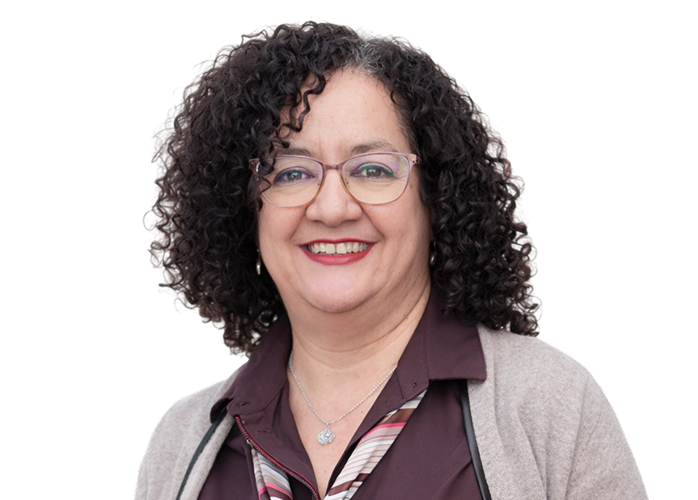
Juny Montoya
She will deliver the workshop: "Academic Integrity and Higher Education in the Age of Artificial Intelligence".
Full time Professor at Universidad de los Andes, holds a Ph.D. in Education from the University of Illinois, and is a recognized academic leader in education, applied ethics, and higher education assessment.
Learn more
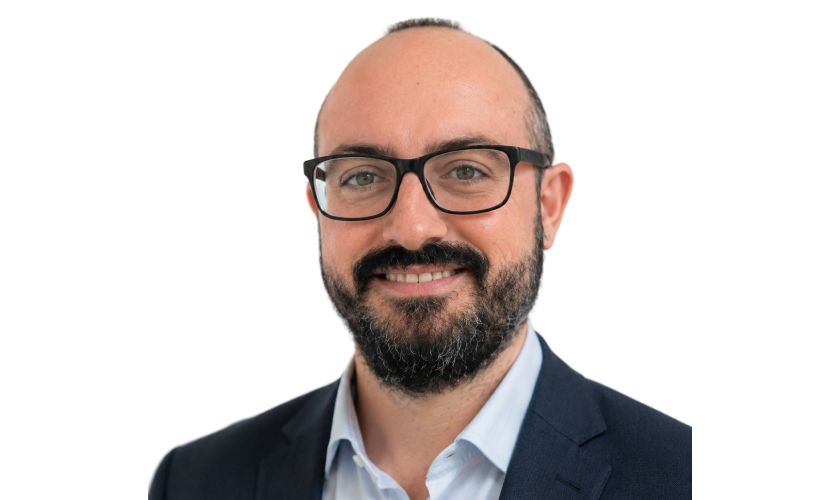
Rubén Comas
Rubén Comas Forgas is a Full Professor at the University of the Balearic Islands (Spain) and an expert in academic integrity, scholarly communication, and the impact of artificial intelligence on education. He coordinates the IA-FIP project, AI-UpskillED, and the Ibero-American Academic Integrity Research Network (Red-IA), collaborating extensively with institutions worldwide.
He will deliver the keynote lecture: “From Plagiarism to Delve: Authorship, Automation, and the Hidden Human Costs of Artificial Intelligence.”
Learn more
Venue
The Universidad de Monterrey is located in the municipality of San Pedro Garza Garcia, in the state of Nuevo Leon, within the metropolitan area of Monterrey, in the northeastern region of Mexico.
Monterrey is known for its hospitality, entrepreneurial spirit, and innovation. It is home to prestigious educational institutions and companies with national and international reach, and it offers a rich cultural and culinary scene. This has contributed to its strong connectivity infrastructure, making it an easily accessible destination for anywhere in the country and around the world.
Workshops
September 23
What Would You Do If No One Was Grading You?
Design and Assessment for Integrity in the Age of AI
Collaborating Universities


Collaborating Organizations
Benefactors





Conference endorsed by


Talleres

En este taller, el Dr. Rettinger ayudará a docentes y directivos a enfocarse en el aprendizaje en lugar de detener el plagio. Basado en el marco de los seis valores fundamentales del International Center for Academic Integrity, el taller utiliza la metodología de diseño inverso para guiar a los participantes en una reconsideración sistemática de los objetivos de aprendizaje, las prácticas de evaluación y las estrategias pedagógicas.
Los participantes reflexionarán sobre preguntas clave: ¿Qué resultados de aprendizaje requieren habilidades básicas independientes de la IA y cuáles pueden ser apropiadamente potenciados mediante la colaboración con IA? ¿Qué constituye capacidades humanas duraderas en el siglo XXI? ¿Cómo evaluar a los estudiantes de forma justa y equitativa, manteniendo al mismo tiempo la propia integridad? A través de discusiones estructuradas y actividades prácticas, analizarán la utilidad de políticas tipo “semáforo” para tareas existentes, determinarán niveles adecuados de integración de la IA en diferentes cursos y cómo asegurar la autenticidad del trabajo estudiantil. También explorarán las razones por las que los estudiantes hacen un uso indebido de la IA y cómo responder mediante cambios en la estructura de los cursos y en la comunicación sobre integridad académica.
Al finalizar, los participantes contarán con estrategias concretas, ajustes en sus evaluaciones y una nueva perspectiva sobre cómo aprovechar la IA para apoyar el aprendizaje en lugar de socavarlo.