HU 1305 Literary Archetypes
The aim of this course is to analyze works whose impact on subsequent periods of history makes them transcendental today so that students can understand that every text originates as a response to previous texts.
The aim of this course is to analyze works whose impact on subsequent periods of history makes them transcendental today so that students can understand that every text originates as a response to previous texts.
The aim of this course is to analyze different contemporary humanist thinkers of Mexico and the western world in order to define and clarify the scope of the field of the Humanities.
Students will define and analyze the concept of family according to major sociological theories. They will also understand the changes, problems, and challenges that today's family faces, under the influence of external social forces.
This course has a threefold aim: (1) Review the way in which what is known today as science was established, through the study of some important events and people in western history. (2) Students will discuss different theories on the specificity of science, analyzing the major methodological problems science has encountered. (3) Hold a debate on the ethical dilemmas raised by current scientific developments.
Upon conclusion of this course, students will understand the meaning of gender from a sociological perspective. They will also analyze current patterns of gender inequalities and how they become imprinted in social structures and institutions.
The aim of this course is for students to discover philosophy as a specific approach to thinking and being. The ideas of the main philosophers of western history will be used, from the Greeks to the 20th century, in order to emphasize the peculiarity of philosophical thought and the areas of knowledge that have originated from philosophical questions throughout history.
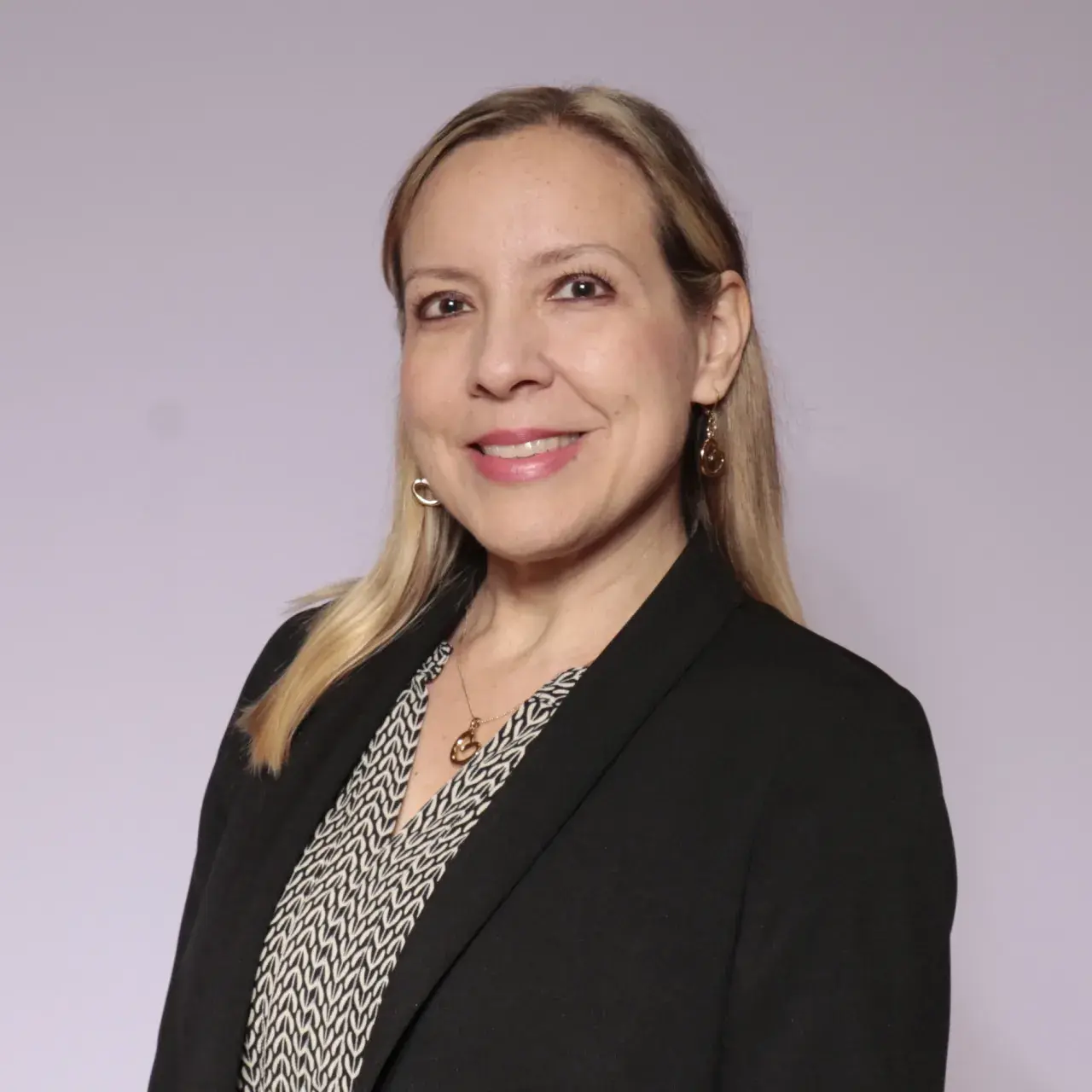
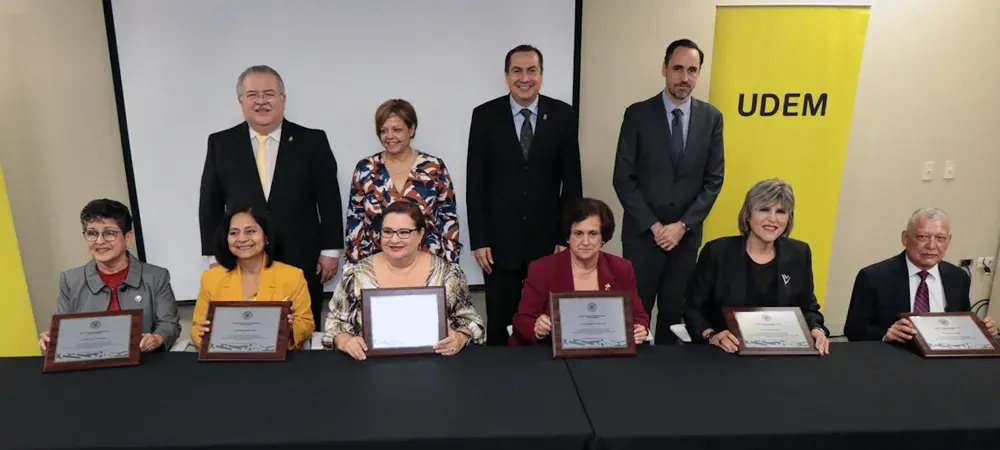 Credits: UDEM File
Six Universidad de Monterrey faculty members were awarded the title Professor Emeritus. One of them was Dr. María Gloria Carbajal Rascón, from the School of Education and Humanities.
“Thank you for this award. I am immensely grateful for participating in this wonderful educational project,” said professor Carbajal Rascón, who holds three master’s degrees and a doctorate.